
Ibuff Vapes
Showing 1–12 of 15 results
-
Ibuff Vapes
IBUFF 9600 – Grape Lychee Ice
Original price was: $47.00.$45.00Current price is: $45.00. -
Ibuff Vapes
IBUFF 9600 – Mango Peach Ice
Original price was: $47.00.$45.00Current price is: $45.00.

Ibuff Vapes in Australia: Products, Features, Comparisons, Laws and Important Facts
Introduction
Vaping has become an important public-health and regulatory issue in Australia. Products sold under names such as Ibuff Vapes are part of a much larger international vaping market that includes disposable vapes, rechargeable pod systems, refillable devices and therapeutic vaping products. Ibuff vapes | Ibuff 9600 vape | Ibuff vape | Ibuff vape review | Ibuffs vape | Ibuffs vapes | Ibuff cyberspace series vape | Ibuff vape 9600 | Ibuff vapes review | Disposable vape laws Australia
For Australian consumers, however, understanding a vape brand involves more than looking at its flavour, battery capacity or advertised puff count. Australian vaping regulations have changed substantially since 2024, and the legal status of a particular product depends on how it is manufactured, imported, supplied, labelled and intended to be used.
This guide provides an educational overview of Ibuff Vapes, explains how vape devices generally work, compares Ibuff-style disposable products with other types of vapes, and examines the Australian laws that affect vaping products in 2026.
Important: Product specifications, nicotine strengths, flavour ranges and puff-count claims can vary between Ibuff-branded products and markets. Consumers should check the actual packaging and manufacturer information rather than assuming that an online product description is accurate. Australian federal and state/territory requirements should also be checked before purchasing or using any vaping product.
What Are Ibuff Vapes?
Ibuff Vapes refers to vaping products marketed under the Ibuff name. Like other electronic cigarettes, a typical vape consists of several basic components: a battery, heating element, liquid reservoir or cartridge, airflow system and mouthpiece.
When a user inhales, the device activates its heating system. The heating element warms the e-liquid and produces an aerosol that is inhaled. Although people commonly call this aerosol “vapour”, it is more accurately described as an aerosol because it can contain fine particles and chemical substances. Ibuff vapes | Ibuff 9600 vape | Ibuff vape | Ibuff vape review | Ibuffs vape | Ibuffs vapes | Ibuff cyberspace series vape | Ibuff vape 9600 | Ibuff vapes review | Disposable vape laws Australia
Depending on the particular Ibuff product, the device may be disposable, rechargeable, pre-filled or designed around another type of vaping system. Therefore, it is important not to treat every product carrying the Ibuff name as technically identical.
A consumer researching an Ibuff vape should look for information such as:
- Whether the device is disposable or rechargeable
- Whether it contains nicotine
- The stated nicotine concentration
- E-liquid volume
- Battery specifications
- Charging requirements
- Manufacturer or responsible supplier information
- Ingredients and warnings
- Batch or product identification
- Applicable regulatory information
These details are particularly important in Australia because products legally supplied through the Australian therapeutic-vape framework have specific requirements.
How Does an Ibuff Vape Work?
The basic operating principle of an Ibuff vape is similar to most modern electronic cigarettes.
The battery provides electrical energy to a heating element, commonly called a coil. The coil heats the e-liquid, producing an aerosol. Air drawn through the device carries that aerosol through the mouthpiece.
A simplified vaping process looks like this:
Battery → Heating element → E-liquid → Aerosol → Mouthpiece
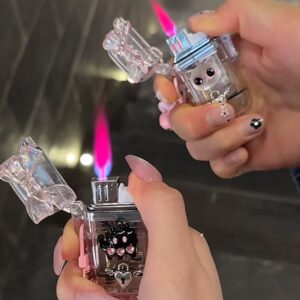
Some devices use an automatic draw sensor, meaning the device activates when the user inhales. Others use a button to activate the heating element.
Modern devices can also include airflow control, rechargeable batteries, LED indicators, screens, adjustable power settings or other electronic features.
The important point is that vaping does not involve burning tobacco in the same way as a conventional cigarette. However, that does not make vaping harmless. Australian health authorities state that vaping can expose users to chemicals and can cause health problems including throat irritation, coughing, breathing problems and lung inflammation.
Ibuff Vapes Compared With Disposable Vapes
One of the simplest comparisons is between an Ibuff-style disposable vape and another disposable vape.
Disposable vapes are generally designed to be used until their e-liquid or battery is depleted and then discarded. They became popular internationally because they are convenient and require little maintenance.
Advantages commonly associated with disposable devices
Disposable devices can be:
- Compact
- Simple to operate
- Convenient for users who do not want to refill e-liquid
- Available in many designs and flavour profiles in international markets
- Relatively straightforward for beginners to understand
However, these characteristics should not be confused with legal availability in Australia.
Australia has specifically restricted disposable vaping products. The Australian Government states that single-use disposable vapes cannot be purchased from pharmacies under the current therapeutic-vape arrangements.
In addition, import restrictions on disposable single-use vapes began on 1 January 2024, followed by broader restrictions on non-therapeutic vape imports.
Therefore, an Ibuff disposable product being available overseas does not mean that the same product can legally be sold or imported into Australia.
Ibuff Vapes Compared With Rechargeable Pod Systems
Rechargeable pod systems are another major category of vape.
Unlike a traditional disposable device, a rechargeable pod device has a battery that can be charged again. Depending on the model, the pod may be replaceable or refillable.
Disposable vape
A disposable product generally prioritises simplicity and convenience.
Rechargeable pod
A rechargeable pod system generally prioritises:
- Reusability
- Rechargeability
- Replaceable pods in some models
- Longer-term device use
- Potentially less physical waste than repeatedly discarding complete devices
From an environmental perspective, rechargeable systems may reduce the number of complete electronic devices discarded, although pods, coils, batteries and e-liquid containers can still generate waste.
From a legal perspective, however, rechargeable does not automatically mean legal in Australia. Australian regulations apply to vaping products more broadly, not merely to disposable devices. Since July 2024, vapes and vaping products can only legally be sold through pharmacies for the therapeutic purposes covered by the Australian framework.
Ibuff Vapes Compared With Refillable Vapes
Refillable vape systems allow users to add e-liquid to a reusable tank or pod.
These devices can offer greater control over the type and amount of e-liquid used. Some advanced devices also allow users to change coils, adjust airflow and control power.

However, greater flexibility also means greater responsibility. Users need to understand battery safety, coil replacement, e-liquid handling, charging and device maintenance.
In Australia, the fact that a device is refillable does not by itself determine whether it is legal to supply. The product must comply with the applicable therapeutic-goods and vaping framework.
This is an important distinction because online stores and international websites may continue to display products that cannot legally be supplied through Australian retail channels.
Nicotine and Ibuff Vapes
Nicotine is one of the most important issues when evaluating any vape.
Nicotine is addictive, and regular use can lead to dependence. A person who stops using nicotine after becoming dependent may experience withdrawal symptoms such as irritability, difficulty concentrating, changes in appetite and sleep problems.
Consumers should never assume that a product is nicotine-free simply because its online description says so. Australian health authorities warn that some illegal vapes have contained nicotine even when their labels claimed that they did not.
Under Australia’s current therapeutic-vape access arrangements, adults aged 18 and over may, where state and territory laws permit and other conditions are satisfied, obtain therapeutic vapes containing no more than 20 mg/mL nicotine from participating pharmacies without a prescription. A pharmacist consultation is required.
A prescription is required for higher nicotine concentrations and for people under 18, subject to the relevant state or territory rules.
Consequently, consumers researching an Ibuff product should distinguish between the product’s advertised nicotine concentration and what is legally permitted for supply in Australia.
Australian Vaping Laws in 2026
Australia has introduced some of the most restrictive vaping regulations in the world.
The federal reforms were designed to reduce vaping-related harm, particularly among young people, while retaining access to therapeutic vaping products for appropriate smoking cessation or nicotine-dependence management.
The Australian Government explains that since 1 July 2024, vapes and vaping products, whether they contain nicotine or not, can only be sold in pharmacies for the purpose of helping people quit smoking or manage nicotine dependence.
This means ordinary commercial retailers cannot legally sell vaping products.
The restrictions apply to businesses including:
- Vape shops
- Tobacconists
- Convenience stores
- Other non-pharmacy retailers
The government specifically states that it is illegal for these businesses to sell any type of vape or vaping product.
This is especially important for anyone searching for Ibuff Vapes online. A website offering an Ibuff product does not establish that the product is legally authorised for supply in Australia.
Can Adults Buy Vapes in Australia?
Adults aged 18 or over can access certain therapeutic vaping products through participating pharmacies, subject to federal, state and territory requirements.
For products containing 20 mg/mL nicotine or less, an adult may be able to purchase the product without a prescription where state or territory law permits.
However, the process is not equivalent to buying a conventional consumer product.
The customer must speak with a pharmacist. The consultation can involve:
- Discussing the product
- Discussing dosage
- Considering other smoking-cessation options
- Providing identification for age verification
The Australian Government also states that only one month’s supply can be purchased over a one-month period under this arrangement.
Pharmacists are not required to supply therapeutic vaping products simply because a customer requests them.
What About People Under 18?
Australian vaping laws place additional restrictions on people under 18.
Under the federal framework, people under 18 require a prescription to access therapeutic vapes where state and territory laws allow. This is intended to ensure appropriate medical advice and supervision.
Parents and young people should therefore not treat vaping as an ordinary consumer activity.
Australian health authorities also emphasise that both short- and long-term vaping can be harmful, and nicotine can cause dependence. Ibuff vapes | Ibuff 9600 vape | Ibuff vape | Ibuff vape review | Ibuffs vape | Ibuffs vapes | Ibuff cyberspace series vape | Ibuff vape 9600 | Ibuff vapes review | Disposable vape laws Australia
Vape Flavours and Packaging in Australia
Flavour availability is another major difference between the Australian market and many overseas markets.
Under Australia’s therapeutic-vaping framework, permitted flavours are restricted to:
- Tobacco
- Mint
- Menthol
Therapeutic vapes must also comply with plain pharmaceutical-style packaging requirements.
This means that the extensive fruit, dessert, candy and beverage flavour lists commonly seen on international vape websites should not automatically be interpreted as products that can legally be supplied in Australia.
For an Ibuff product, the exact flavour advertised overseas may therefore have no relevance to its legal availability through Australian pharmacies.
Importation of Vapes Into Australia
Importation is another area where Australian regulations are particularly important.
Australia introduced an import ban on disposable single-use vapes from 1 January 2024. Further reforms subsequently restricted the importation of non-therapeutic vapes.
The government has also taken enforcement action against illegal vape imports, including through Australian Border Force operations.
Therefore, purchasing an Ibuff vape from an overseas website and attempting to have it shipped into Australia is not automatically lawful.
Consumers should not rely on an overseas seller’s statement that a product can be shipped to Australia. Import requirements are determined by Australian law.
Advertising and Promotion of Vapes
Australia has also strengthened restrictions on vaping advertising.
The Public Health (Tobacco and Other Products) Act 2023 introduced a modernised framework for tobacco and e-cigarette regulation. The legislation includes restrictions on the advertising and sponsorship of e-cigarette products.
This matters for businesses and websites discussing Ibuff Vapes.
Content should distinguish between educational information and commercial promotion. Australian law is designed to restrict the marketing of vaping products, particularly marketing that could encourage uptake among young people.
Are Vapes Safer Than Cigarettes?
This question requires careful explanation.
Vaping and smoking cigarettes are not identical. Cigarettes burn tobacco, producing smoke containing many harmful substances. Vapes heat an e-liquid to create an aerosol.
However, this does not mean that vaping is harmless.
The Australian Department of Health states that vapes are not safe and that vaping can lead to serious health problems.
People who do not smoke should not start vaping simply because they believe vaping is harmless.
For smokers considering quitting, vaping may be discussed with a health professional as part of nicotine-dependence management, but Australian health information encourages people to consider established smoking-cessation options and professional support.

The key distinction is between relative risk and no risk. Saying that one product may expose a person to fewer harmful substances than another does not mean that the first product is safe.
Health Considerations When Using Vapes
Vaping can expose users to chemicals and fine particles.
Reported effects can include:
- Throat irritation
- Persistent coughing
- Shortness of breath
- Wheezing
- Lung inflammation
- Nicotine dependence
Australian health authorities also warn that illegal vapes may contain substances that are not accurately declared on their packaging. Investigations have identified chemicals including formaldehyde, acrolein, arsenic, nickel and lead in illegal vaping products.
This is one reason product quality and regulatory compliance matter.
Consumers should not assume that an attractive package, large puff-count claim or popular flavour guarantees product safety.
What Makes an Ibuff Product Different From Other Vapes?
The answer depends on the specific Ibuff model.
There is no single characteristic that makes every Ibuff product fundamentally different from every other vape. Depending on the model, differences may involve:
- Device design
- Battery capacity
- E-liquid capacity
- Coil technology
- Airflow
- Activation method
- Rechargeability
- Display features
- Flavour options
- Nicotine concentration
- Size and portability
When comparing Ibuff with another vape, consumers should therefore compare the actual specifications rather than relying on brand names.
For example, a high advertised puff count does not necessarily mean a device will last the same amount of time for every user. Puff duration, frequency of use, power output and other factors can affect actual consumption.
Why Puff Counts Can Be Misleading
Many disposable and pod vape advertisements promote numbers such as 5,000, 10,000, 20,000 or more puffs.
These figures should be treated as manufacturer or marketing estimates rather than guarantees.
The actual number of inhalations can vary according to:
- Length of each puff
- Airflow
- Power output
- Coil design
- Battery performance
- E-liquid consumption
- User behaviour
Therefore, comparing two vapes purely by their advertised puff count can produce a misleading result.
A more meaningful comparison considers the complete device specification and, in Australia, whether the product is legally authorised for supply.
How to Evaluate an Ibuff Vape Product
Anyone researching an Ibuff vape should take a verification-first approach.
Look for:
Product identity
Identify the exact model rather than relying solely on the Ibuff brand name.
Nicotine information
Check whether nicotine is present and verify the stated concentration.
Manufacturer information
Look for clear information about the manufacturer or responsible supplier.
Ingredients
Check whether the product provides appropriate ingredient information.
Packaging
Australian therapeutic vaping products are subject to specific packaging and labelling requirements.
Regulatory status
Do not assume that a product is legal merely because an Australian-looking website sells it.
Pharmacy availability
For Australian consumers, lawful therapeutic supply should generally involve an authorised pharmacy pathway rather than a conventional vape shop.
Ibuff Vapes and the Australian Market
The Australian vaping market is unusual because consumer demand and legal supply operate under a highly regulated framework.
International brands may continue to be discussed on social media or displayed on overseas websites, but that does not necessarily mean those products can legally be supplied domestically.
This distinction is particularly important for brands such as Ibuff.
An online search may show:
Ibuff product available overseas
while the legal Australian question is:
Can this specific product legally be imported, supplied and sold in Australia under current federal and state/territory rules?
Those are two different questions.
Consumers should always answer the second question before purchasing.
Vaping Laws Can Also Differ Between States and Territories
Australian federal law provides the national framework, but states and territories can have additional requirements relating to vaping, possession, use, smoking-free areas, retail enforcement and access.
The Australian Government specifically notes that access to therapeutic vapes without a prescription is subject to state and territory laws.
Rules concerning where vaping is prohibited can also differ between jurisdictions. In general, smoke-free laws can apply to vaping, but the exact restrictions depend on the relevant state or territory.
For this reason, Australians should check both federal requirements and the rules applicable in their state or territory.
Environmental Issues With Disposable Vapes
Disposable vaping devices also raise environmental concerns.
A disposable vape combines electronic components, a battery, a heating element, packaging and residual e-liquid in a product designed for limited use.
Incorrect disposal can create waste and battery-related environmental risks.
Rechargeable systems can reduce the number of complete devices discarded, although they still create waste through pods, coils, packaging and batteries.
Australia’s restrictions on disposable vapes are therefore relevant not only to public health and youth vaping but also to the broader issue of disposable electronic waste.
Common Questions About Ibuff Vapes in Australia
Is Ibuff Vape legal in Australia?
The brand name alone does not determine legality. A particular Ibuff product must comply with Australia’s vaping, therapeutic-goods, importation, supply and state/territory requirements. A product being sold overseas does not establish that it is legal to sell in Australia.
Can vape shops sell Ibuff Vapes?
Under the current federal framework, ordinary vape shops, tobacconists and convenience stores cannot legally sell vaping products. Vapes can legally be supplied through pharmacies under the applicable therapeutic-vaping arrangements.
Can I buy a disposable Ibuff vape from a pharmacy?
Single-use disposable vapes cannot be purchased in Australian pharmacies under the therapeutic-vape framework.
Can adults buy therapeutic vapes without a prescription?
Adults aged 18 and over may access qualifying therapeutic vapes containing no more than 20 mg/mL nicotine without a prescription where state or territory laws permit, subject to pharmacist consultation and other requirements.
Can people under 18 vape legally?
Access to therapeutic vapes by people under 18 requires a prescription where state and territory laws allow, and additional restrictions may apply.
Are flavoured Ibuff vapes legal in Australia?
Flavour rules for therapeutic vapes are restricted, with permitted flavours including tobacco, mint and menthol. An overseas fruit or dessert flavour should not be assumed to be legal for Australian supply.
Conclusion
Ibuff Vapes can be understood as part of the wider electronic-cigarette market, but Australian consumers need to look beyond brand names and marketing claims.
The most important differences between Ibuff and other vapes may involve device design, battery capacity, e-liquid capacity, rechargeability, airflow, coil technology and nicotine concentration. However, none of these specifications independently determines whether a particular product can legally be sold or imported into Australia.