
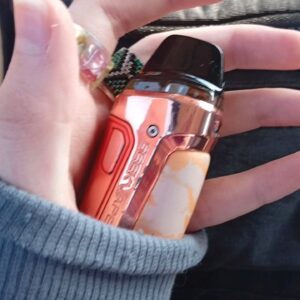



BOMO VAPE
What Is Bimo Vapes in Australia?
“Bimo Vapes” refers to a brand of disposable and rechargeable e-cigarette devices that has appeared in Australia’s vaping market, marketed with a range of flavours and device styles similar to other disposable vape brands. Like all vaping products, understanding Bimo Vapes requires understanding the broader legal and regulatory environment that governs vaping in Australia, which is notably stricter than in many other countries.
Vaping Regulation in Australia
Since reforms introduced in 2021 and tightened further in 2023–2024, nicotine-containing vapes can only be legally obtained in Australia through a valid prescription from a registered medical practitioner, dispensed by a pharmacy. This applies regardless of the brand — including Bimo Vapes, if the product contains nicotine. Non-prescription retail sale of nicotine vapes, whether online or in stores, is illegal under Australian law, and importation for personal use outside these rules is similarly restricted.
Nicotine-free vapes exist in a slightly different regulatory space, but they still face restrictions around advertising, packaging, and sale to minors, and enforcement has increasingly clamped down on nicotine-free claims that turn out to be inaccurate upon testing — a known issue in the disposable vape market generally.
Why Products Like Bimo Vapes Attract Attention
Brands such as Bimo often gain popularity due to competitive pricing, wide flavour ranges, and device convenience (disposable, no-refill designs). However, their presence in Australia frequently exists in a legal grey area or through unregulated channels, which raises several concerns:
Product safety: Devices sold outside regulated pharmacy channels aren’t subject to the same quality and safety testing.
Mislabelled nicotine content: Independent testing in Australia has repeatedly found “nicotine-free” vapes containing nicotine.
Legal risk: Purchasing, possessing, or selling illicit nicotine vapes can carry fines or other penalties depending on the state or territory.
Health Considerations
Regardless of brand, health authorities including the Therapeutic Goods Administration (TGA) and Australian Department of Health note that vaping is not risk-free. Concerns include nicotine addiction, respiratory irritation, and the long-term health effects of inhaling aerosolized chemicals, which are still being studied.

How Do Bimo Vapes Work?
Bimo Vapes, like most disposable and rechargeable e-cigarettes, operate on a fairly simple mechanism common across the vaping industry. Understanding the basic components helps clarify both how these devices function and why health and regulatory bodies pay close attention to them.
Core Components
E-liquid reservoir: A small internal tank or pod holds e-liquid, typically composed of propylene glycol (PG), vegetable glycerin (VG), flavouring agents, and often nicotine (unless labelled nicotine-free).
Heating coil (atomizer): A thin metal coil heats the e-liquid to the point of vaporisation without combustion.
Battery: A built-in lithium battery powers the heating element. Disposable models use a fixed, non-rechargeable battery; some newer versions are rechargeable via USB.
Airflow sensor or button: Most disposables are “draw-activated,” meaning inhaling triggers a sensor that activates the coil — no buttons required.
The Process
When a user inhales, air flows across the sensor, which signals the battery to heat the coil. The coil vaporises the e-liquid, creating an aerosol (commonly called “vapour”) that is inhaled. This aerosol carries flavouring and, if present, nicotine into the lungs.
Why This Matters in Australia
Because the vaporisation process delivers nicotine directly into the bloodstream via the lungs, devices like Bimo Vapes are treated as nicotine delivery products under Australian law when they contain nicotine — meaning legal access requires a prescription. Independent lab testing has also shown that some devices marketed as nicotine-free actually contain nicotine, underscoring the importance of regulated, verified sources rather than unregulated retail products.

Benefits of Vaporization – An Australian Perspective
Vaporization is most often discussed as a potential tool for tobacco harm reduction, though its benefits in Australia are closely tied to legal, regulated access.
Potential Harm Reduction
Unlike cigarettes, which burn tobacco and produce tar plus thousands of toxic compounds, vaping heats e-liquid without combustion. This may reduce exposure to some harmful chemicals — though Australian authorities like the TGA stress that “less harmful than smoking” does not mean “safe.”
Smoking Cessation Support
In Australia, nicotine vapes can legally support smoking cessation only through a doctor’s prescription. This regulated pathway allows practitioners to guide dosage and monitor progress, often alongside counselling.
Reduced Tar and Ash
Without combustion, vaporization avoids producing tar and ash — substances closely linked to respiratory disease in smokers.
Lower Secondhand Exposure
Some research suggests reduced secondhand exposure to certain toxicants compared to cigarette smoke, though vapour is not risk-free, and smoke-free laws increasingly apply to vaping too.
Key Caveat
These potential benefits apply mainly to existing smokers switching under medical guidance — not to non-smokers. Long-term health data is still limited, and unregulated illicit products may not offer the safety assumed in harm-reduction studies. Anyone interested should consult a healthcare provider about legal options.
Bimo Vapes vs Other Vapes - An Australian Perspective
When comparing “Bimo Vapes” to other disposable or rechargeable vape brands available in Australia, the differences are often more about marketing than substance — and the legal framework applies equally regardless of brand.
Similarities Across Brands
Most disposable vapes, including Bimo and its competitors, use similar core technology: a battery, heating coil, and e-liquid reservoir with PG/VG base, flavourings, and often nicotine. Differences in flavour range, device design, puff count, and price are largely cosmetic rather than functional.
Where Differences Actually Matter
Nicotine accuracy: Independent Australian testing has found inconsistent nicotine labelling across many brands, not just one — meaning “nicotine-free” claims should never be trusted without verification, regardless of brand.
Legal source: The more important distinction isn’t Bimo vs. another brand, but whether the product is obtained legally via prescription and pharmacy versus through unregulated retail or online import — the latter being illegal in Australia irrespective of brand.
Quality control: Products sold outside regulated channels, whatever their name, lack the safety testing required of TGA-approved goods.
Key Takeaway
The brand name matters far less than the legal pathway through which it’s obtained. Consult a healthcare provider for safe, legal options.
Youth, Vaping, and Cannabis Use in Australia: Risks Parents and Educators Should Know
Vaping and cannabis use among Australian youth have become significant public health concerns, with survey data showing rising experimentation rates despite strict laws prohibiting sale to minors.
Why Youth Are Vulnerable
Adolescent brains are still developing, making nicotine addiction form faster and more intensely in teens than adults. Peer pressure, social media marketing (often circumventing advertising bans), and flavoured products designed to appeal to younger users all contribute to uptake — despite it being illegal for retailers to sell vapes or cannabis products to anyone under 18.
Legal Consequences
Minors caught possessing vapes or cannabis in Australia can face confiscation, fines, or referral to youth diversion programs, varying by state. Schools have also introduced detection systems and stricter disciplinary policies in response to rising rates.
Health Risks Specific to Youth
Research links youth vaping to increased likelihood of later cigarette smoking, respiratory issues, and nicotine dependence. Cannabis use during adolescence is associated with higher risks of anxiety, impaired memory, and — in vulnerable individuals — psychosis.
What Helps
Evidence points to open conversations, school-based education, and reducing accessibility as more effective than fear-based messaging alone. Parents concerned about a young person’s use should consult a GP or youth health service.
How Long Does a High From BIMO Vape Last in Australia?
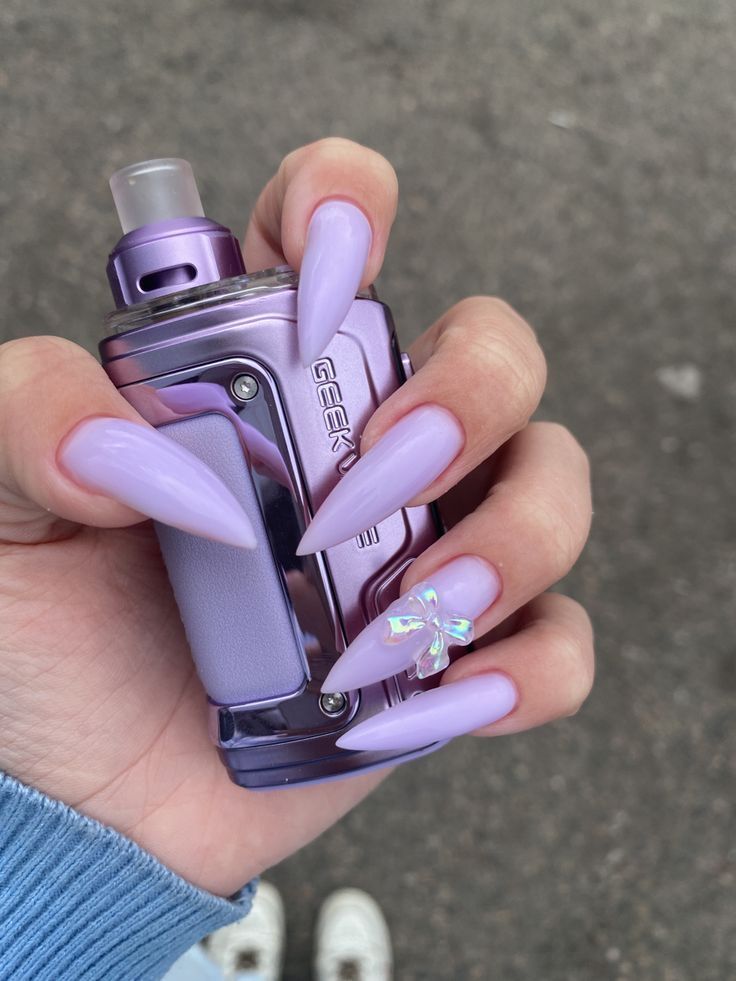
The duration of its intoxicating effects can vary considerably depending on THC concentration, amount inhaled, individual tolerance and other factors.
Onset and Peak Effects
For vaporised cannabis, Australian TGA guidance indicates effects can begin within about 90 seconds and commonly reach maximum intensity within 15–30 minutes.
How Long Can It Last?
The TGA states that effects from vaporised cannabis may generally wear off after approximately 2–4 hours, although individual experiences can differ. THC may also remain detectable in the body considerably longer than the noticeable “high.”
Australian Legal Considerations
In Australia, medicinal cannabis vaping products are subject to strict regulation and lawful access generally involves a prescription and pharmacy supply. The TGA specifically advises that medicinal cannabis and vaping products should not be obtained from unregistered online stores, vape shops or tobacconists.
Safety Reminder
Anyone experiencing significant impairment should avoid driving, operating machinery or making safety-critical decisions. The duration of impairment can vary, so a fixed timeframe should not be treated as a guarantee of fitness to drive.
What Do Reviews Say?
Online reviews of BIMO Vape products can provide useful insight into flavour, device design, battery performance and overall user experience. However, review numbers and opinions vary by platform, and a small number of reviews should not be treated as representative of all Australian consumers.
Commonly Discussed Features
Reviews may mention factors such as flavour consistency, ease of use, charging and device design. Some BIMO models are marketed with high puff-count claims, but actual usage depends on individual puff length and frequency. Manufacturer claims should therefore be considered estimates rather than guaranteed performance.
Checking Authenticity
Consumers researching BIMO Vape Australia reviews should compare online claims with the product’s packaging, manufacturer information and current regulatory status. Independent reviews can describe personal experiences but cannot establish whether a product is legally approved or compliant in Australia.
Australian Vape Regulations
Australia has strict vaping regulations. Since July 2024, non-pharmacy retailers cannot legally supply vapes, while therapeutic vaping products must meet applicable requirements and supply conditions.
Why Reviews Should Be Evaluated Carefully
A positive review does not necessarily mean a product is safe, legal or suitable for everyone. Readers should consider when the review was published, whether it identifies the specific model, and whether claims can be independently verified. The TGA maintains a current notified-vape list for therapeutic vaping goods.
Final Takeaway
BIMO Vape reviews can help explain user experiences and product characteristics, but Australian consumers should prioritize current TGA information and applicable state or territory laws when evaluating vaping products. Reviews are best viewed as supplementary information rather than proof of product compliance.
BIMO Vape Australia Reviews
Frequently Asked Questions
Is it legal to buy vapes in Australia?
Only through a prescription from a registered doctor, dispensed by a pharmacy. Retail sale of nicotine vapes (in stores or online) is illegal.
Are "nicotine-free" vapes legal to buy without a prescription?
They face fewer restrictions, but testing has repeatedly found many labelled “nicotine-free” actually contain nicotine — so buyers can’t rely on labelling alone.
What happens if I'm caught with an illegal vape?
Penalties vary by state and can include fines and confiscation; retailers selling illegally face much steeper penalties.
Can vapes help me quit smoking?
Possibly, under medical supervision via the prescription pathway — not as an unregulated retail product.
Are vapes bought online from overseas legal?
Generally no — importing nicotine vaping products without a prescription breaches Australian border and therapeutic goods rules.
Is vaping safer than smoking?
Likely less harmful in some respects, but not risk-free — long-term data is still limited.
Want me to expand this, adjust the angle, or turn it into a formatted document?
Secure Payment
All our payments our SSL secured
Delivered With Care
Super fast shipping to your door
Excellent Service
Live chat and phone support